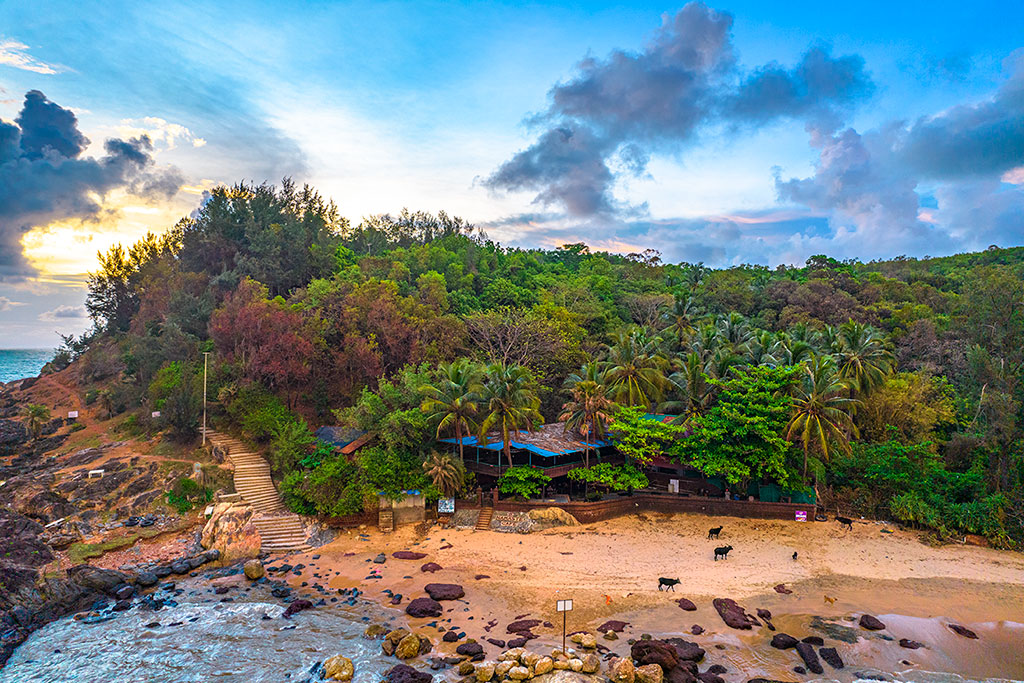
Namaste Cafe - Located at the tip of Om Beach, and a landmark location for many decades now, it has come a long way from back in time when it used to be the only listing from Gokarna on the Lonely Planet. An ideal location for energising golden sunrises and magnificient sunsets that light up the evening sky.
Book Now More...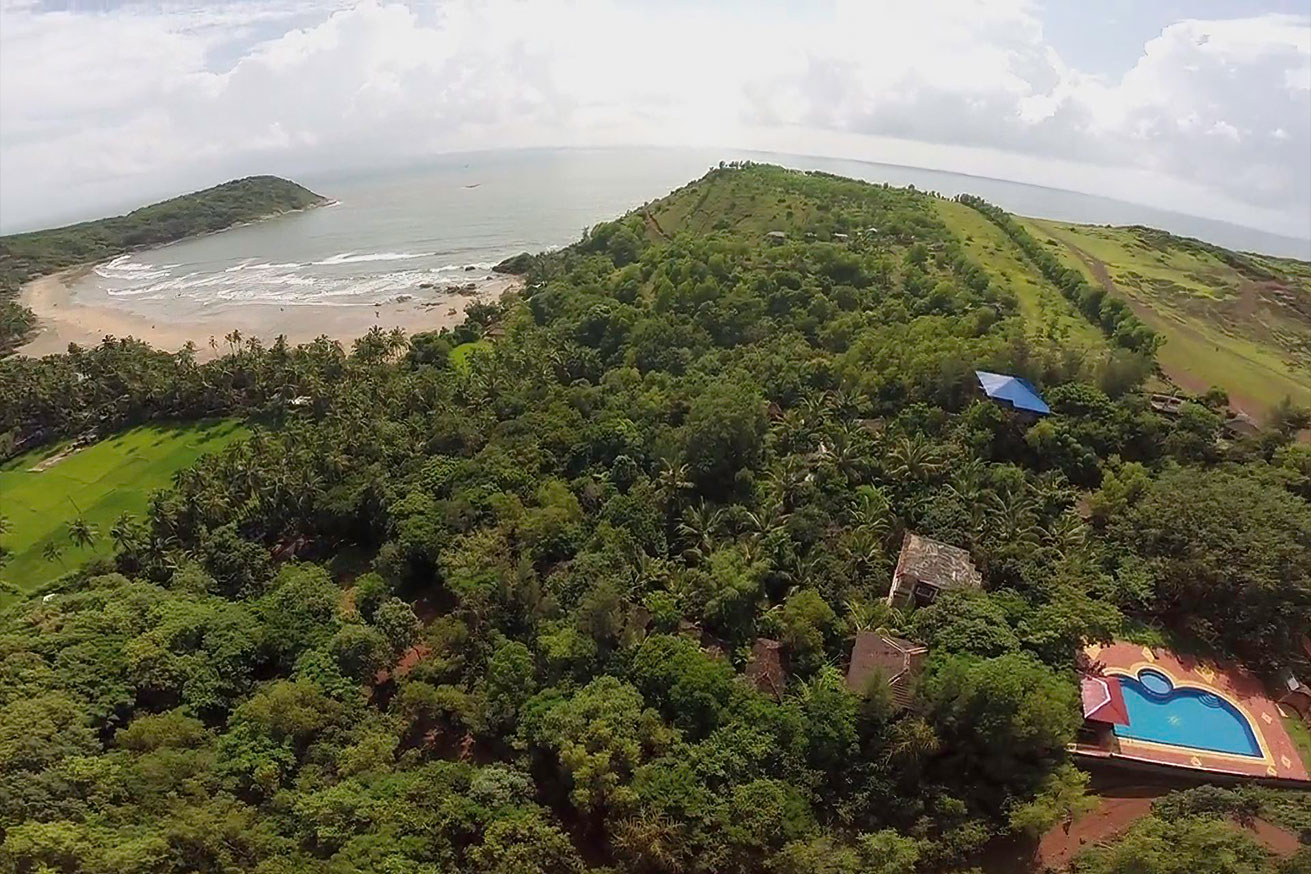
Namaste Sanjeevini - Perched on the edge of a hill by the beach, you will be in a veritable untamed green zone blended into a mix of traditional and modern accommodations. With just 175 metres between the idyllic settings and Kudle beach, you are never too far away from either the swimming pool, or the sea.
Book Now More...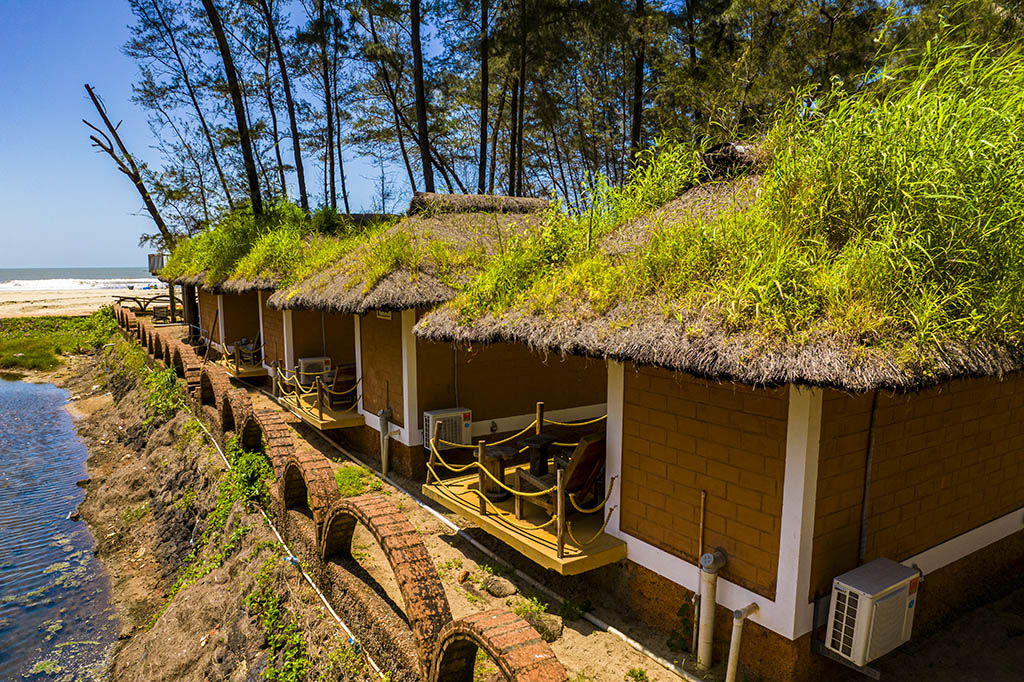
Namaste Nirvana - Set far away from the bustle of the town in a remote corner, this is as close as it comes to a private beach as it can. Sunrises and sunsets merge into one on the expansive beach, while morning and evenings merge into one as the time flies past at warp speed in the stunning location.
Book Now More...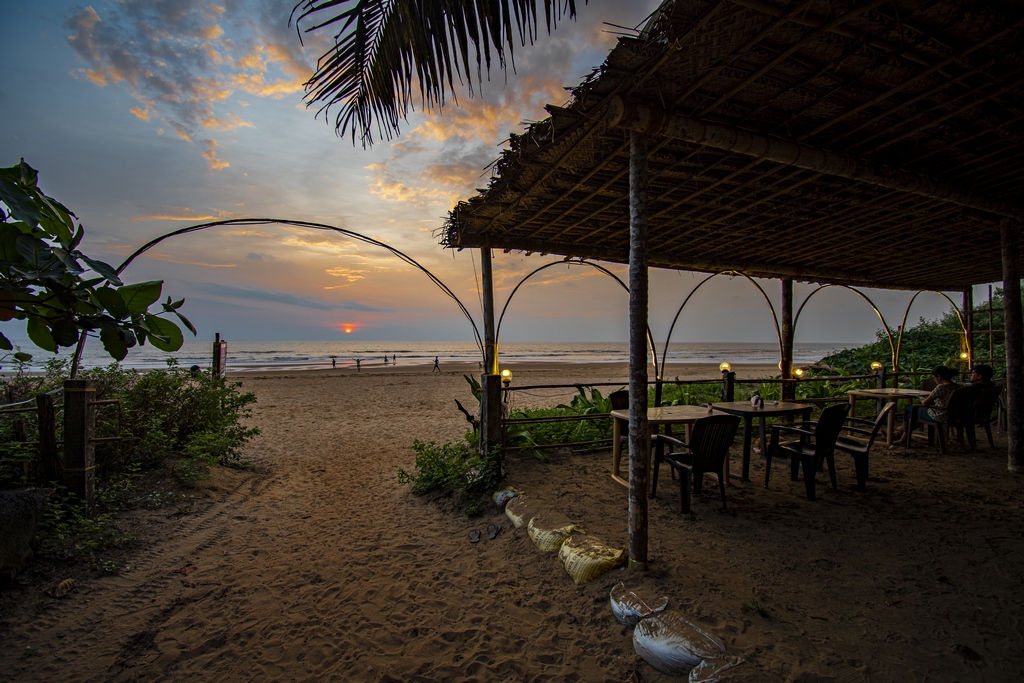
Samudra Beach Front - Dream worthy sunsets, cool sea breeze, shimmering waters sifting sands under the feet, and more...all what one will experience courtesy of mother nature just by being here. Located 220 metres from the road, the only 'noise' heard is either the roar of the sea, or lapping of the waves.
Book Now More...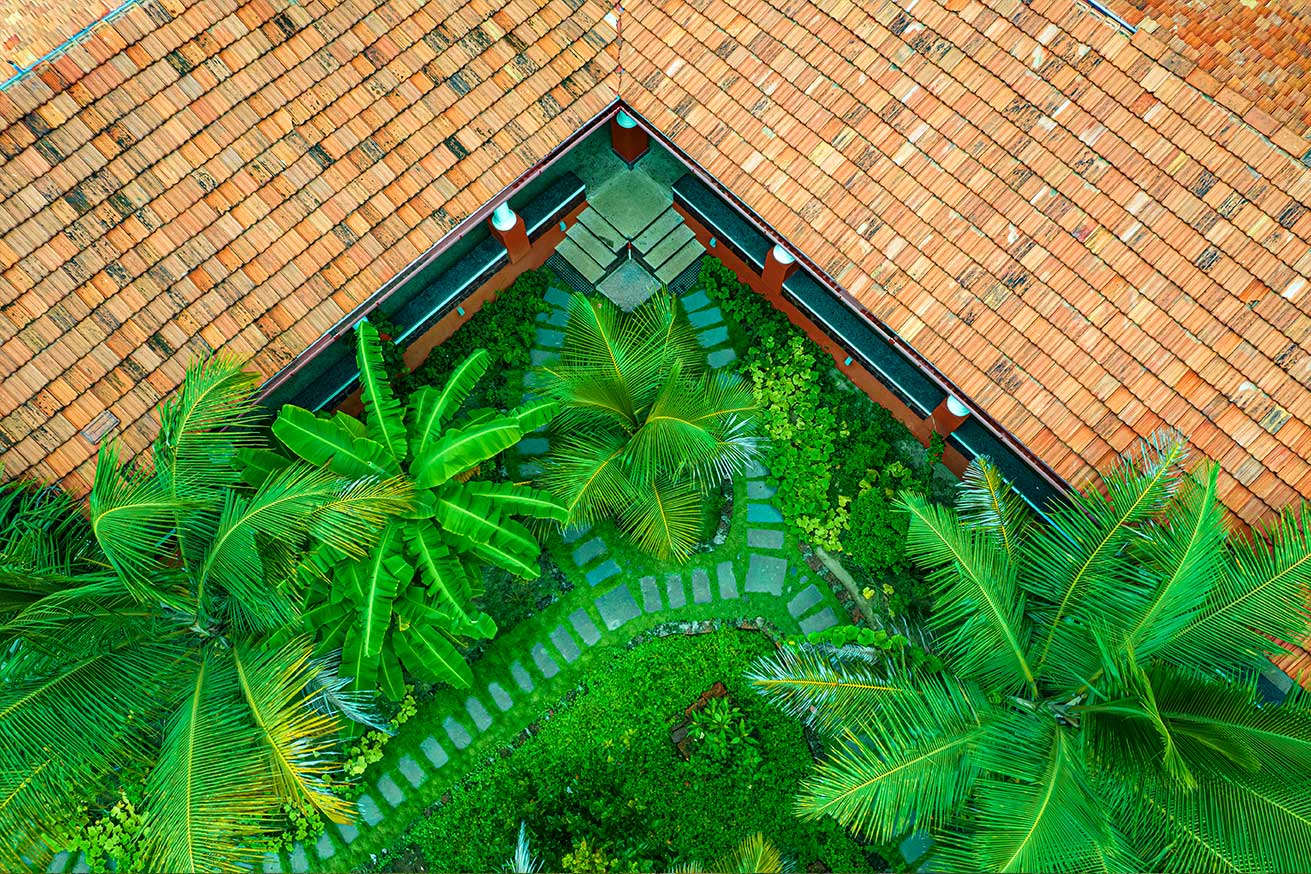
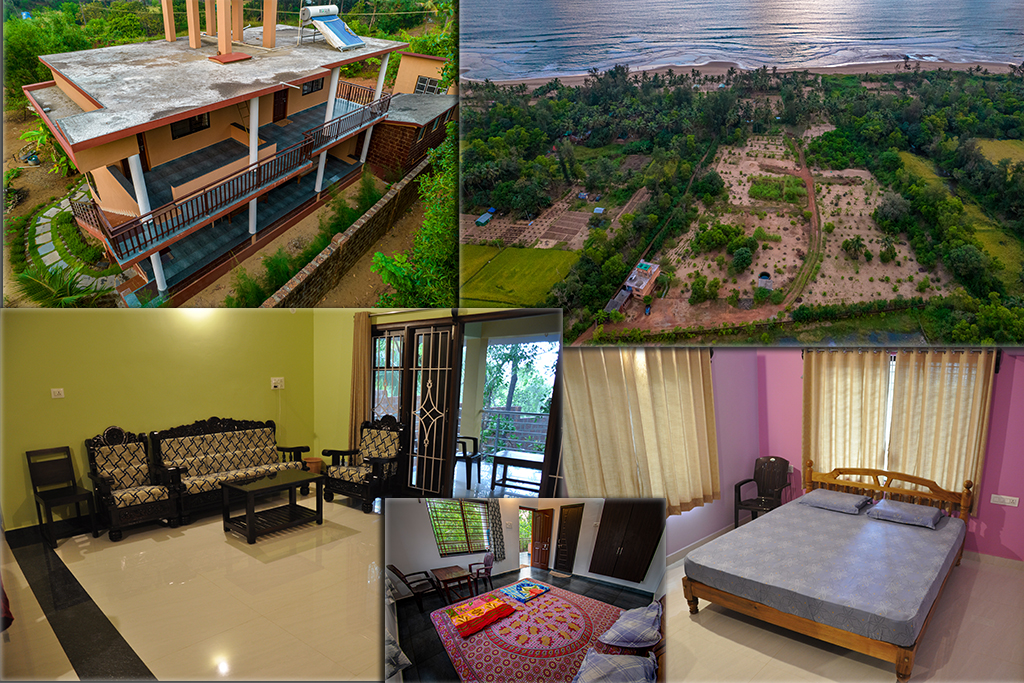
Rudraksh Retreat - A tranquille retreat set 150 metres away from the road amidst lush green fields just a minute’s walk from the sun-drenched Gokarna Main Beach, reflecting the laid-back rustic charm of of the rural hamlet, whilst offering a uniquely elegant and comfortable space to relax and unwind.
Book Now More...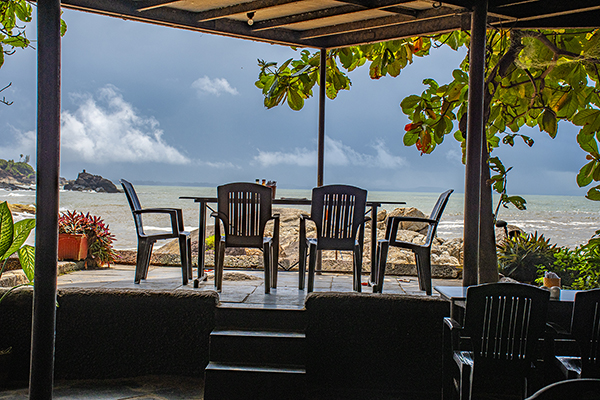
Our first property with a beachfront restaurant that established itself as a landmark location, with rooms of multiple categories located behind the restaurant. Come get your fill of fabulous sunrise to sunset by the sea !!!
Book Now Read More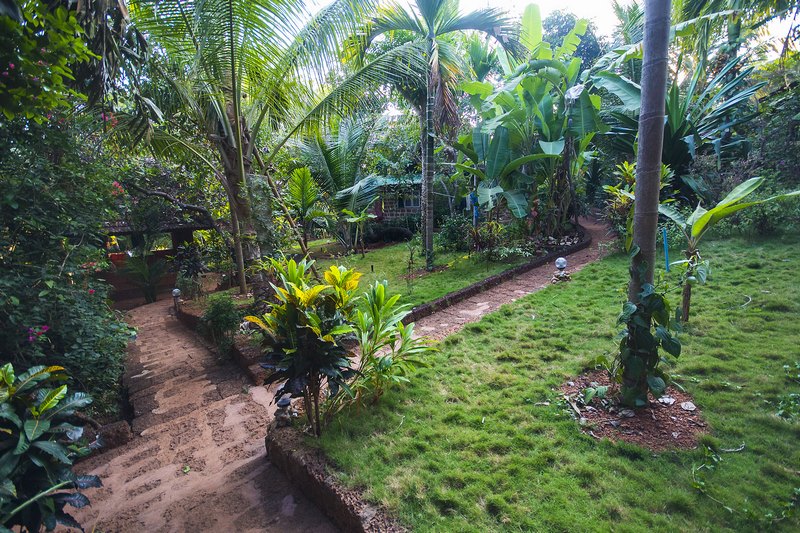
A property on the Kudle Hilltop, overlooking the vibrant Kudle Beach. Minimalistically built in what used to be a forest, it is a veritable open greenhouse. Being just 200 metres walk to the beach, being here is like living in two worlds at the same time.
Book Now Read More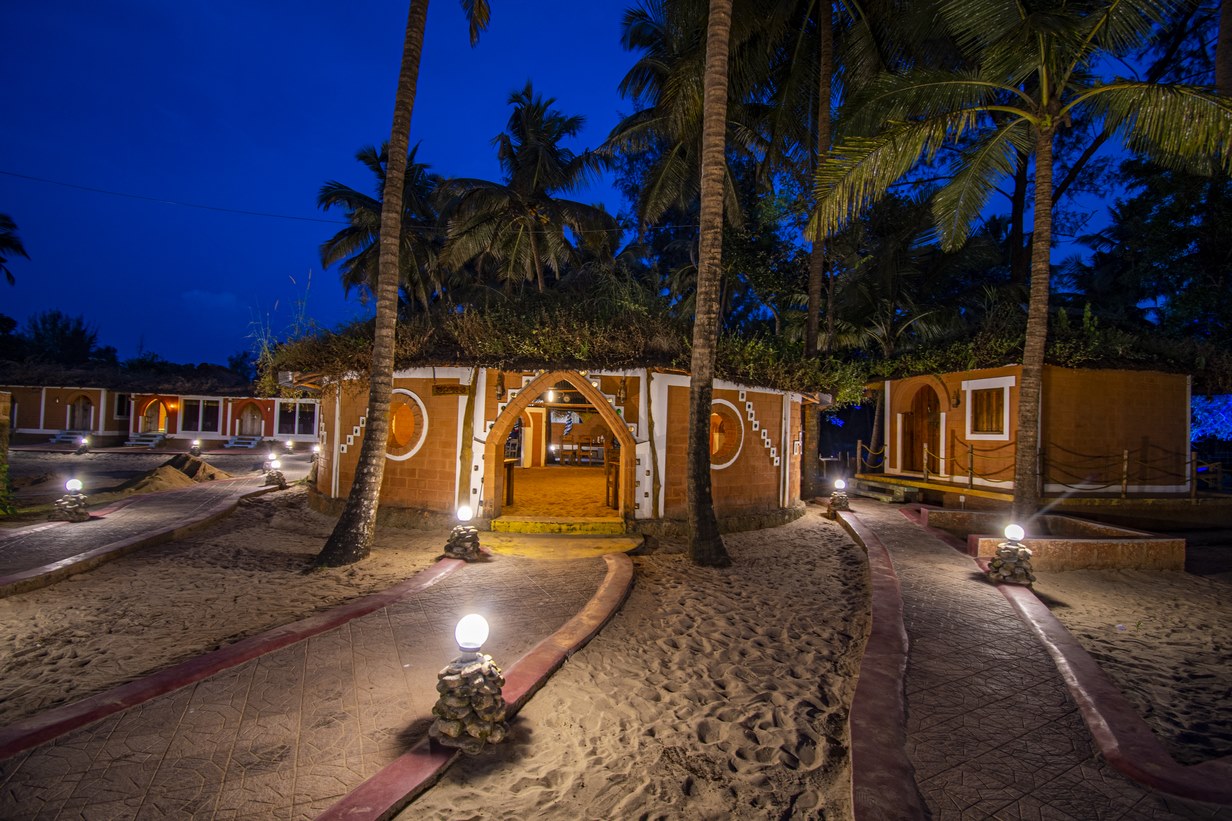
An ideal location with a pristine beach and sparsely tourist populated location in Nirvana Beach with an expanse of the sun, sky & sand that couldn't fit the eye. Located 44 km (70 min) by car, and 10.2 km by ferry from Gokarna.
Book Now Read More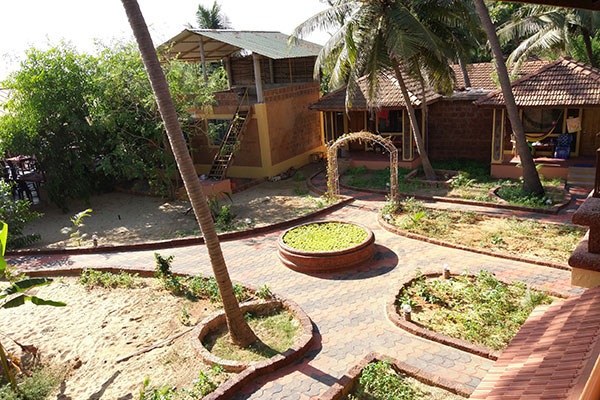
A beachfront property with rooms on the beach sand, gorgeous sunsets that one can see as part of its daily evening theatre, with the sounds of the waves crashing as the acoustic accompaniment and drum roll all through the day.
Book Now Read More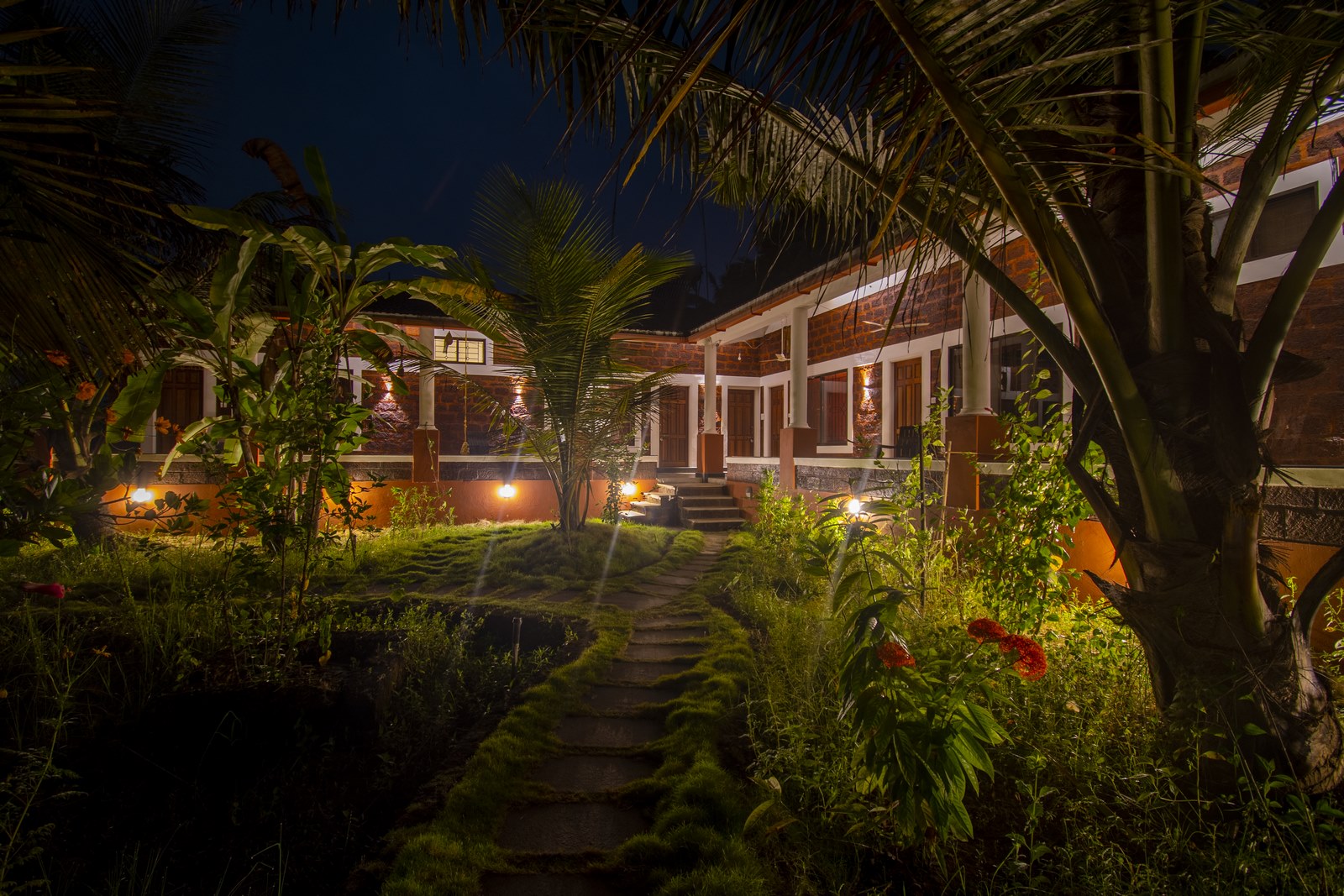
An idyllic, relaxing location set 150 metres walk from the road between the sun-drenched beach and an authentic rural hamlet makes Rudraksh Retreat a uniquely charming holiday setting in the remarkable village of Gokarna
Book Now Read More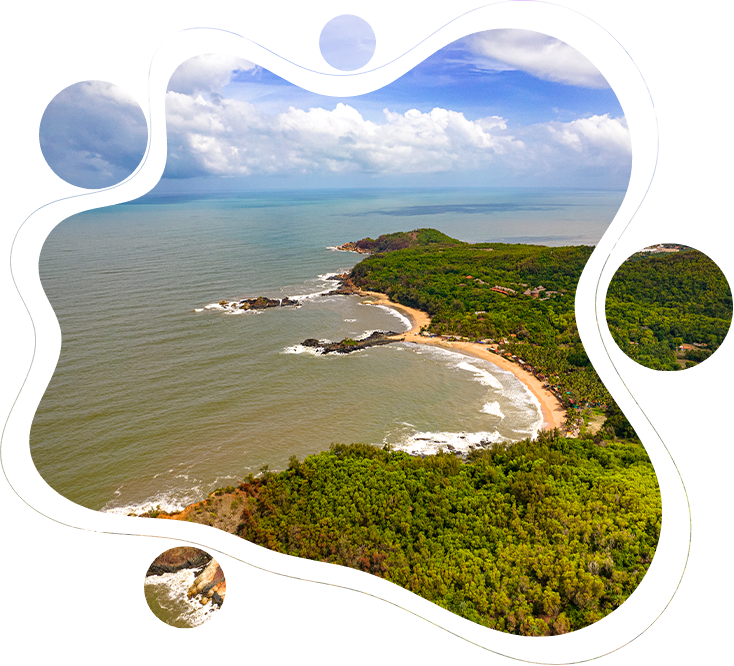
A time in the mid 1980s, when Om Beach was called Dhoni Bail (boat ground), and the only way to get there was
to walk around 6 kilometres, there used to be many a tired and hungry travelers arriving at an isolated beach.
It was then that a dal chawal joint came up by the side of the beach, where the founder used to serve food cooked
by his grandmother, thus heralding the sunrise of the tourism industry in Gokarna.
As the tourist inflow to the pristine beach started climbing, the founder needed to name the food joint, and it
was during one of his chats with the tourists that a french tourist who stayed for long suggested the name
Namaste Cafe, signifying a greeting to the tourists. It was during those times that the tourist also said to
the founder that the beach is in the shape of an “Om” and thence started the reference of Dhoni Bail as the ever
popular Om Beach, with the name ringing across the world with the principally overseas tourists back then.
Read More

Gokarna being a spiritual centre, is conducive to yogic energy practices and allows a positive disposition. We have many groups who bring their own instructor and stay for the suration of their course. We offer cost effective & tailored packages that suit the need like exclusive use of a yoga deck or even exclusive use of the property.
Contact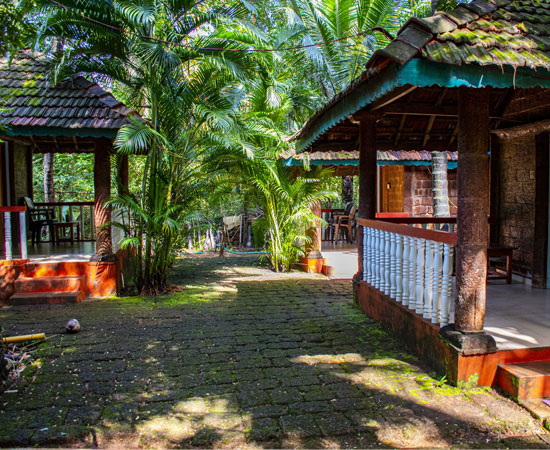
While we are very pleased for being your choice, we strive to make it even more worth your while for repeated experiences with us. If you are staying more than 10 room nights, or have stayed with us before (we need to have a record of your booking with your email & phone number) then please reach out to us.
Contact
Write an exclusive blog(s) on Gokarna for us, which if accepted for publishing on our site, could get you up to 100% off the base tariff. What we want is for your creative expression of your Gokarna experience to act as a helpful read and quite importantly, a catalyst for every tourist planning/hoping to visit Gokarna
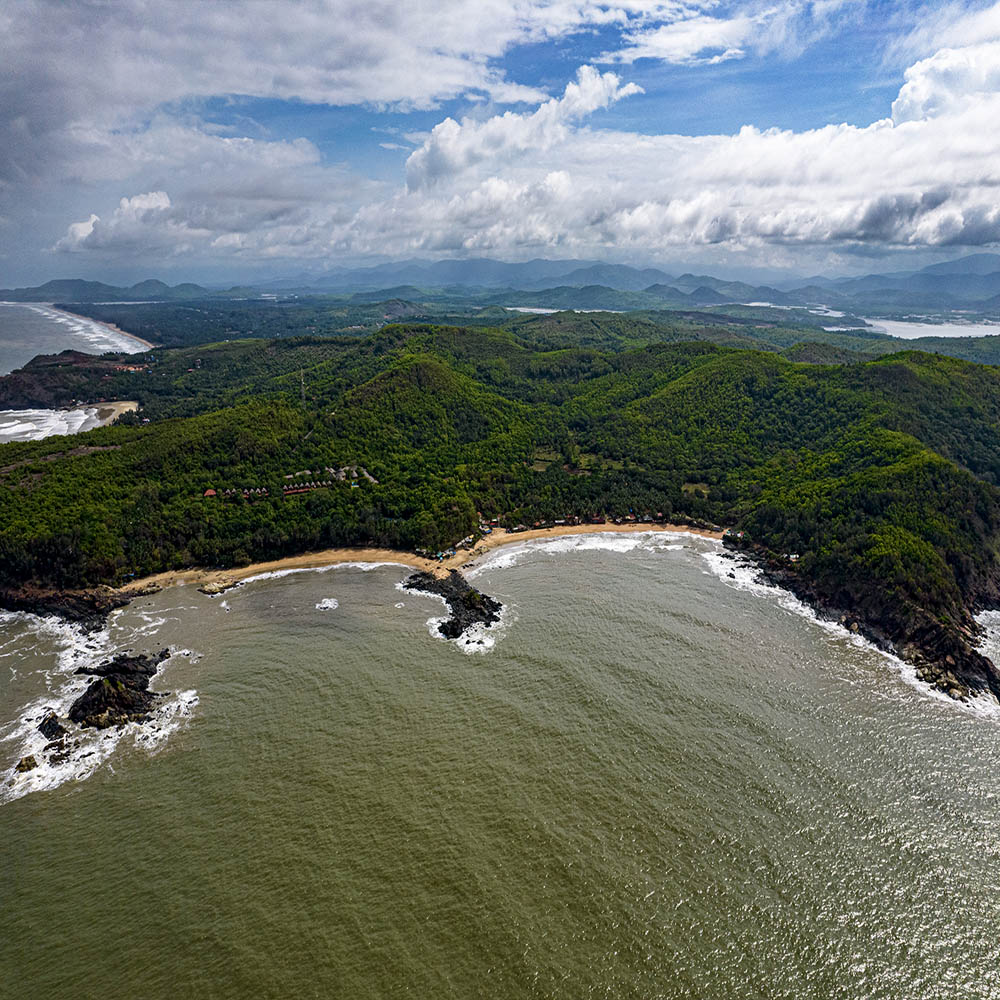
ContactA day that begins with a breathtaking sunrise, a beach with sand that feels like silk beneath your feet, the sea painted in long smooth stokes of colours defined by the time of the day, sunsets that fill the sky with magical wonder, a sight that leaves one spellbound…followed by a view of the sun swallowed by the sea… calming sounds of sea and coolness of the breeze, all while the sun shines. Where fun and peace co-exist. This is the average day at any of the Namaste Hotels in Gokarna. “Nature provides the setting, We leverage the scene”. Be it Namaste Cafe on Om Beach, or Namaste Sanjeevini on Kudle Beach, or Namaste Nirvana on Nirvana Beach, Kumta, or affiliate properties like Samudra Beach Front and Rudraksh Retreat on Gokarna Beach, MAYA (Mahabala Aranya Yoga Ashram) in the forest or Namaste Moksha by the Valley, we are present at all significant locations of Gokarna.
1. Up to five (5) days before arrival: Processing fee deductible from the refund is
a. Domestic Transactions: of ₹590+₹118 = ₹708 OR 4% of total transaction value, WHICHEVER IS HIGHER
b. International Transactions: Processing fee of ₹590+₹118 = ₹708 OR 4% of total transaction value, WHICHEVER IS HIGHER + international transaction fee as applicable at cost
2. Five (5) days and less in advance of the date of arrival, no show and cut short stays: 100% of the total reservation amount is deductible, and there will be no refund whatsoever under any circumstances
I have read in details and understood all the below terms & conditions
Cancellation
Guest Agreement / Terms & Conditions of engagement
Privacy Policy
Basic Rooms Terms & Conditions
1. Up to five (5) days before arrival: Processing fee deductible from the refund is
a. Domestic Transactions: of ₹590+₹118 = ₹708 OR 4% of total transaction value, WHICHEVER IS HIGHER
b. International Transactions: Processing fee of ₹590+₹118 = ₹708 OR 4% of total transaction value, WHICHEVER IS HIGHER + international transaction fee as applicable at cost
2. Five (5) days and less in advance of the date of arrival, no show and cut short stays: 100% of the total reservation amount is deductible, and there will be no refund whatsoever under any circumstances
I have read in details and understood all the below terms & conditions (with check boxes)
Cancellation
Guest Agreement / Terms & Conditions of engagement
Privacy Policy
Basic Rooms Terms & Conditions
1. Up to five (5) days before arrival: Processing fee deductible from the refund is
a. Domestic Transactions: of ₹590+₹118 = ₹708 OR 4% of total transaction value, WHICHEVER IS HIGHER
b. International Transactions: Processing fee of ₹590+₹118 = ₹708 OR 4% of total transaction value, WHICHEVER IS HIGHER + international transaction fee as applicable at cost
2. Five (5) days and less in advance of the date of arrival, no show and cut short stays: 100% of the total reservation amount is deductible, and there will be no refund whatsoever under any circumstances
I have read in details and understood all the below terms & conditions (with check boxes)
Cancellation
Guest Agreement / Terms & Conditions of engagement
Privacy Policy
Basic Rooms Terms & Conditions
1. Up to five (5) days before arrival: Processing fee deductible from the refund is
a. Domestic Transactions: of ₹590+₹118 = ₹708 OR 4% of total transaction value, WHICHEVER IS HIGHER
b. International Transactions: Processing fee of ₹590+₹118 = ₹708 OR 4% of total transaction value, WHICHEVER IS HIGHER + international transaction fee as applicable at cost
2. Five (5) days and less in advance of the date of arrival, no show and cut short stays: 100% of the total reservation amount is deductible, and there will be no refund whatsoever under any circumstances
I have read in details and understood all the below terms & conditions (with check boxes)
Cancellation
Guest Agreement / Terms & Conditions of engagement
Privacy Policy
Basic Rooms Terms & Conditions
1. Up to five (5) days before arrival: Processing fee deductible from the refund is
a. Domestic Transactions: of ₹590+₹118 = ₹708 OR 4% of total transaction value, WHICHEVER IS HIGHER
b. International Transactions: Processing fee of ₹590+₹118 = ₹708 OR 4% of total transaction value, WHICHEVER IS HIGHER + international transaction fee as applicable at cost
2. Five (5) days and less in advance of the date of arrival, no show and cut short stays: 100% of the total reservation amount is deductible, and there will be no refund whatsoever under any circumstances
I have read in details and understood all the below terms & conditions (with check boxes)
Cancellation
Guest Agreement / Terms & Conditions of engagement
Privacy Policy
Basic Rooms Terms & Conditions